A driveway takes a beating. Cold winters, deep frost, road salt, summer storms and spring water all work on the slab. If yours is cracked, sinking or crumbling, it is normal to feel unsure about what comes next.
Declaredswim Concrete is a referral service, not a contractor. We connect homeowners in the Detroit area with independent providers who pour new concrete driveways. They give written estimates, answer your questions and do the work. You compare the quotes, ask what you like, and decide when you are ready. There is no obligation at any step, and the choice is always yours.
Worried About Your Driveway? Start Here
A cracked or sunken driveway is easy to ignore. Then one day it starts to nag at you. This page helps you decide if it is time for a new one, and how to compare your options without stress.
Declaredswim Concrete is a referral service. Independent providers in our network do the work. You stay in charge of every decision.
Signs You May Need a New Driveway
Look at your slab after winter and again after a big storm. Small changes tell a story. Notice it early, and you will have more choices.
Cracks That Keep Growing
Thin hairline cracks are common and often harmless. Cracks wider than a pencil are different. So are cracks that grow each season. Water seeps in, freezes deep in the ground and pushes the slab apart. Each freeze makes the gap wider. Flaking or crumbling on the surface often comes from winter salt and the same freeze-thaw cycle.
Sinking, Tilting or Heaving Slabs
Slabs at different heights can trip people and scrape cars. Heaving often comes from wet soil that freezes and lifts. Sinking can point to a weak base or ground washed out by spring flooding.
Water Running Toward the House
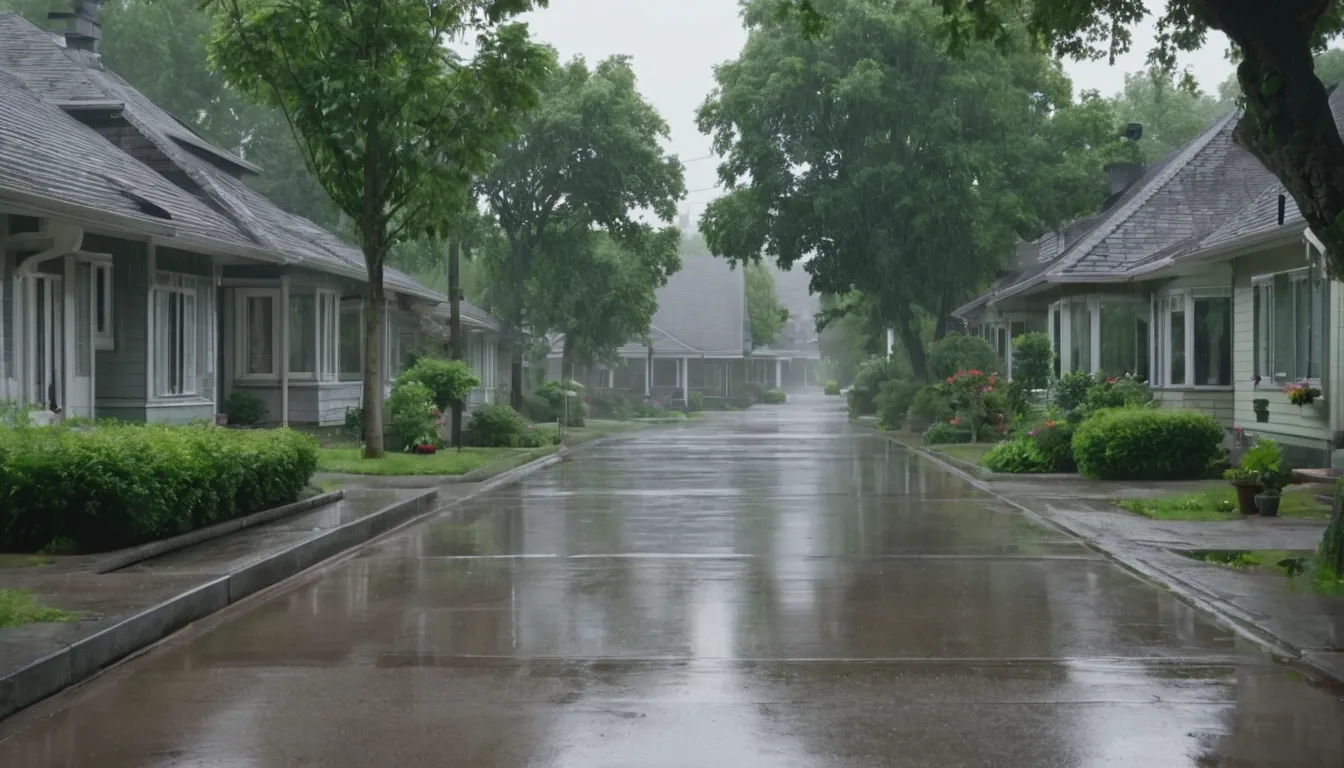
Watch where rain goes. If it runs toward the garage or foundation, take note. In a home with a full basement and sump pump, extra water near the walls gives the pump more work. A driveway that slopes the wrong way may be a reason to replace it. If you also see wall cracks or damp basement walls, foundation repair experts are a separate trade to ask about. A driveway provider can tell you whether the slab plays a part.
Repair or Replace? Compare, Then Decide
Concrete driveway repair can make sense when damage is small and the slab underneath is sound. Sealing a few cracks or lifting one panel may be enough for now.
When damage spreads across much of the surface, patches add up. They also rarely match the color around them. Replacing the driveway can be the calmer choice then.
Ask each provider to explain why they suggest one path. A clear answer points to what they actually saw on your driveway.
What a New Driveway Project Includes
Knowing the steps makes quotes easier to read. Here is what most projects cover.
Removal and Base Preparation
The old concrete is broken up and hauled away. The ground is checked and leveled. A compacted gravel base goes down so water can drain and the slab stays steady through frost.
Forms, Steel and the Pour
Wooden forms set the shape and slope. Rebar or wire mesh may be added for strength. Joints are cut or tooled so any cracking follows neat lines. Then the concrete is poured, leveled and finished. This kind of concrete flatwork looks simple, but the details decide how long it lasts.
Choosing Size, Thickness and Finish
Think about how you really use the space. Count the cars you park and where guests stop. A wider turning area makes backing out easier. Larger slabs cost more, so ask providers to price a couple of layouts.
Many homes use about four inches of concrete for passenger cars. Heavier trucks or RVs may call for more. In cold, wet climates, providers often use air-entrained concrete, which handles freezing better. Ask about it, along with sealing for hail-season splashes and winter salt.
For the surface, a broom finish gives grip when it is wet or icy. A very smooth finish looks sleek but can be slick. Ask to see samples before you choose.
Permits and the Street Apron
The apron is the section where your driveway meets the street. It often sits on public land. Many towns set rules for its width, thickness and who may pour it. Some need a permit for the whole project.
Ask each provider whether they handle permits, and check with your local building office too. Skipping this step can cause delays later.
Comparing Estimates Without Pressure
Try to collect two or three written quotes. Lay them side by side. Check that each one lists removal, base work, thickness, steel, joints, sealing and cleanup. A quote that looks small may simply leave things out.
Useful questions to ask:
- What thickness and concrete mix do you plan to use?
- How will you handle drainage and slope?
- Who pulls permits, and who pays for the apron work?
- What is the start window, and what happens if weather delays it?
- What does the written warranty or workmanship policy say?
Choosing a Concrete Provider
Look for local experience with frost and heavy rain. Ask for proof of insurance and recent references. Check any license your area requires. Providers in our network are independent, so verify these details yourself.
Trust your gut, too. A provider who answers plainly and does not rush you is a good sign.
After the Pour
Fresh concrete needs patience. Keep foot traffic off for a couple of days. Keep cars off for about a week, or as long as your provider advises.
Ask when to seal the surface. Go easy on de-icing salt through the first winter. A plastic shovel is kinder to a new slab than a metal one.
One Calm Next Step
You do not need to decide today. Request a callback to check provider availability, or request an estimate when you are ready. Then compare what comes back and choose what feels right.
What's Included
Old Slab Removal
Providers break up and haul away the worn driveway so the new one starts on clean ground.
Base and Grading
A compacted gravel base and careful slope help water drain and slabs stay level.
Forms and Reinforcement
Forms set the shape, and steel adds strength before the concrete is poured.
Finish and Cleanup
The surface is finished, joints are placed, and leftover material is taken away.
Typical Concrete Driveway Costs in the U.S.
Prices vary with size, thickness, access and local rates. These ranges are only typical figures, so ask each provider for a written quote.
| Item | Typical range | Notes |
|---|---|---|
| New plain concrete driveway | $6 – $15 per sq ft | Two-car driveways often run $3,000 – $9,000 in total. |
| Old slab removal | $1 – $3 per sq ft | Thicker or reinforced concrete costs more to break up. |
| Gravel base and grading | $1 – $3 per sq ft | Poor soil or slope problems can raise the price. |
| Extra thickness or steel | $1 – $4 per sq ft | Helpful for heavy vehicles and frost-prone ground. |
| Permit and street apron work | $100 – $2,500 | Depends on local rules and apron size. |
| Sealing | $0.50 – $2 per sq ft | Often done after the concrete has cured. |
How It Works
Share Your Plans
Tell us about your property and what you want from a new driveway.
Connect With Local Providers
We refer you to independent providers in our network who handle concrete driveways.
Compare Your Estimates
Review written quotes, ask questions and take as much time as you need.
Decide When Ready
Choose a provider, or decide not to move forward. The decision is yours.
Why Call Declaredswim Concrete
Compare Before You Commit
Review several written estimates side by side, then pick the approach and price that suit you.
No Pressure
Asking questions and requesting an estimate never obligates you to hire anyone.
Local Providers
Independent providers know frost depth, storm weather and the permit habits in your area.
Plain Answers
We keep things simple, so you know what to ask and what to expect.
Other Services
Need concrete driveways in Detroit?
Planning a new driveway, stamped surface or patio? Send a few details through the request form, or Request a callback to check provider availability. There is no obligation to hire anyone.
No obligationConcrete Driveways FAQ
How do I know if my concrete driveway needs replacing?
Look for wide or growing cracks, sunken or tilted slabs, crumbling surfaces and water running toward your house. Small cracks may only need sealing. Widespread damage often points to replacement, so ask providers to explain what they see.
How long does a new concrete driveway take?
Removal, base work and the pour usually take a few days, depending on size and weather. Concrete then needs about a week before cars can park on it. Your provider can give a more exact schedule.
Do I need a permit for a new driveway?
Often yes, especially when the work touches the street apron or changes drainage. Rules differ by town. Ask each provider whether they handle permits, and confirm the requirements with your local building office.
Reach a local provider
Planning a new driveway, stamped surface or patio? Send a few details through the request form, or Request a callback to check provider availability. There is no obligation to hire anyone.
No obligation